
Your CEO just asked if the company shows up when someone asks ChatGPT for a recommendation in your category. You don’t know. So you open a new tab and start comparing GEO platforms, and within ten minutes you’re staring at pricing pages that start at $99 a month and climb well past that for anything with real depth.
That’s the moment most teams get stuck. They’re being asked to prove something they haven’t measured yet, and the fastest path forward looks like a subscription.
Here’s the thing: you don’t need to pay anyone to find out if you have a problem. A free GEO audit gets you there in a few minutes, and it tells you exactly what a paid tool would only confirm later at a monthly cost.
Why Teams Reach for a Paid Tool Before Checking If They Even Have a Problem
Most GEO software gets bought backward. A team hears the word “GEO,” feels the pressure to do something, and jumps straight to comparing subscription tiers instead of first asking whether their site even has a visibility problem worth solving.
That order is expensive. DIY GEO tools alone typically run from $10 to $1,000 or more a month, and agency-led programs climb into five figures. Committing to that spend before you know your baseline is like buying a treadmill before checking whether your knees can handle running.
The fix isn’t skipping the tool. It’s flipping the sequence: audit first, decide what you actually need to pay for second.
What a Free GEO Audit Actually Checks
A basic GEO audit isn’t a mystery score. It’s a set of concrete, checkable facts about whether AI systems can even see your site, let alone recommend it.
Three layers matter most:
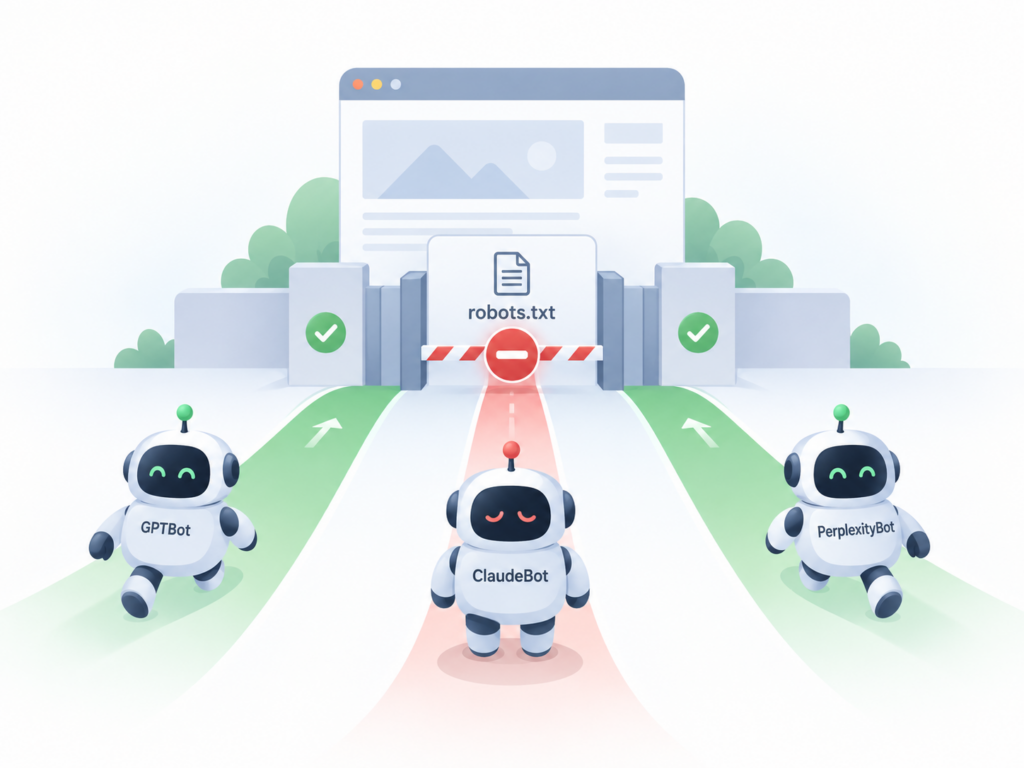
AI Bot Access. Can crawlers like GPTBot, ClaudeBot, and PerplexityBot actually reach your pages, or is your robots.txt quietly blocking them? This sounds like an edge case, but it isn’t rare. A Q3 2026 crawl of 1,744 sites found 9.9% block GPTBot outright, and most of those site owners never made that choice on purpose.
Structured Data. Schema markup is how you hand AI systems a clean, machine-readable summary of what your page is about, instead of making them guess from unstructured text.
Content Signals. Clear headings, direct answers near the top of the page, and up-to-date information all affect whether a page is extractable enough to quote. Freshness matters more than most teams assume.
Every one of these is checkable without a login, a credit card, or a sales call.
None of this is new territory for anyone who’s done a technical SEO audit before. The categories are familiar. What’s different is the criteria: a page can rank perfectly well in Google and still fail a GEO check, because AI systems weigh extractability and machine-readability differently than a traditional search crawler does.
Run the Check: A Free GEO Score in Under a Minute
This is where the GEO Score Checker comes in. You paste in your domain, and within about a minute you get a breakdown across the categories above, not a single vague number.
The output shows a pass or miss for each specific check: which AI bots are allowed in, whether your key pages carry structured data, and where your content signals fall short. That’s the part most paid dashboards skip early on. They give you a headline score and expect you to trust it, while a free audit shows its work.
Run it against your homepage and a couple of high-intent pages, like a pricing page or a comparison page, since those tend to be the ones AI systems pull from most often when someone’s close to a decision.
What the Score Actually Tells You About Paying for a Tool
The result splits into two very different situations, and they call for two very different next steps.
If your score is weak because of foundational issues, blocked crawlers, missing schema, thin or outdated content, a $200-a-month monitoring subscription won’t fix anything. You’d be paying to watch a problem you already know about. Fix the structural issues first. Most of them are one-time changes, not ongoing work.
If your score already looks solid, that’s useful information too. It means your brand meets the baseline requirements to be cited, and what you’re missing isn’t visibility infrastructure, it’s ongoing measurement: which prompts you’re winning, which competitors are gaining ground, and whether last month’s good score is still true today.
That second scenario is where a paid tool earns its cost. The first one usually doesn’t need one yet.
When a One-Time Free Audit Isn’t Enough Anymore
A free audit is a snapshot. It’s accurate the day you run it, and then the ground starts moving again almost immediately.
AI citation patterns aren’t static. Research on citation frequency across major platforms has found that 40 to 60% of cited sources change from month to month as models update and competitors adjust their content. Freshness compounds the issue: one analysis found 76.4% of ChatGPT’s top-cited pages had been updated within the previous 30 days. A page that passed your audit in January can quietly lose its citation by March, with nothing on your end having technically broken.
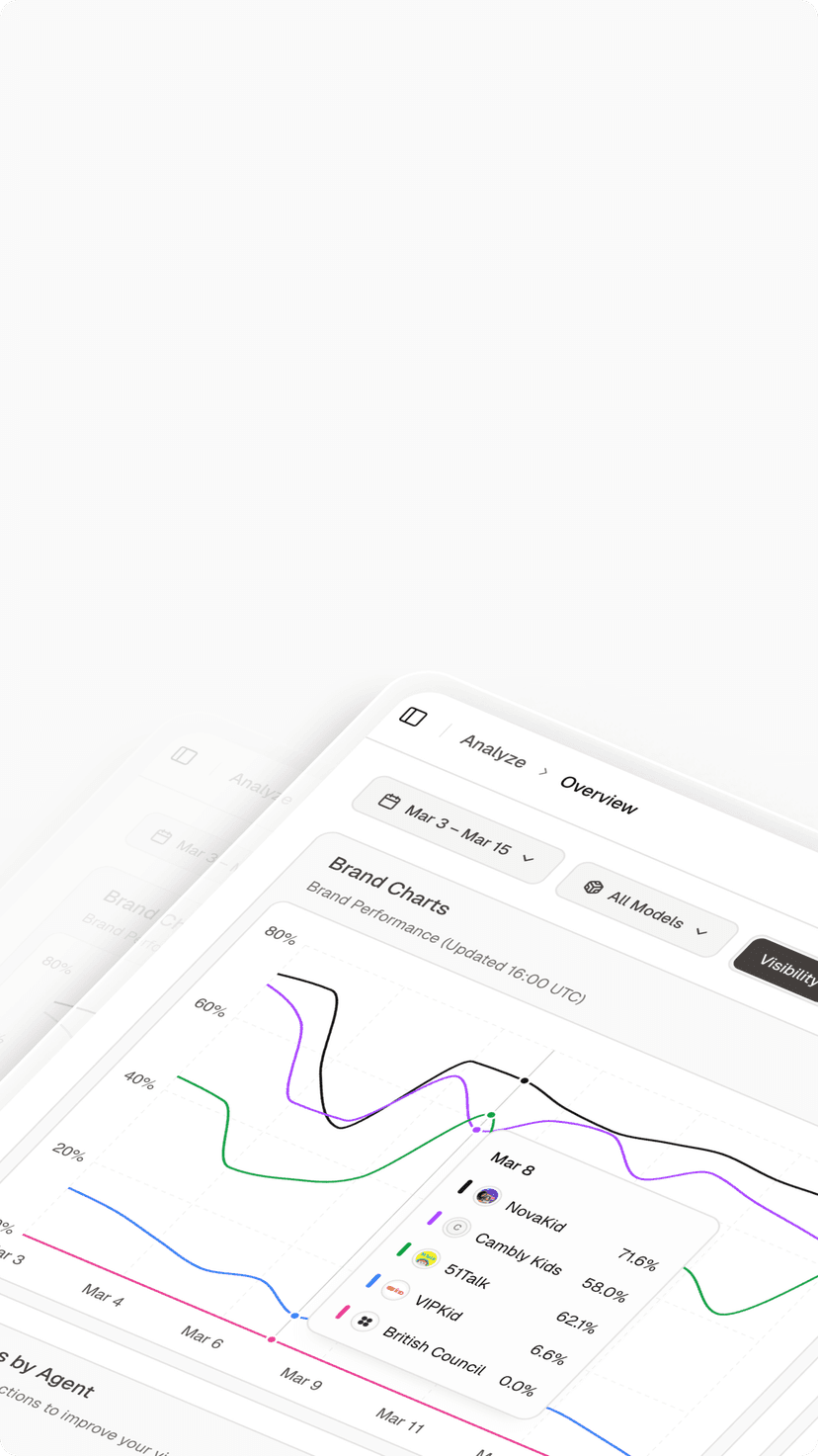
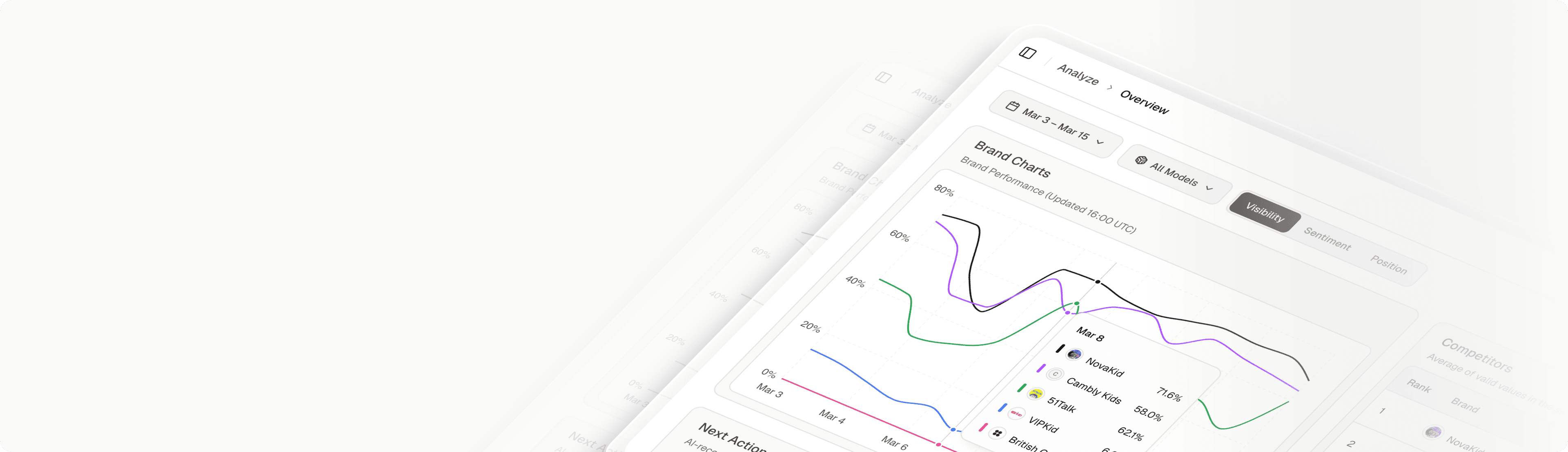
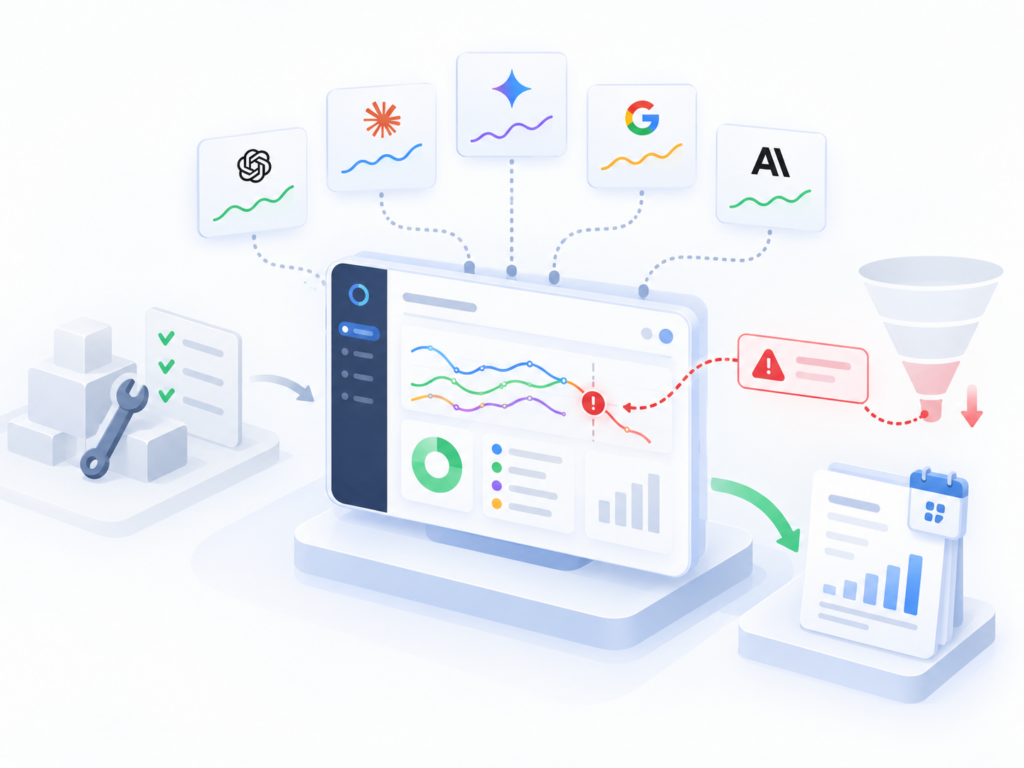
This is the point where a one-time check stops being enough and continuous tracking starts to matter. That’s what Comprehensive GEO Analytics is built for: instead of a single snapshot, it monitors visibility, sentiment, position, and source citations across platforms on an ongoing basis, so a drop in ChatGPT mentions gets traced back to a specific cause instead of showing up as a mystery three months later.
How to Decide If a Paid GEO Tool Is Worth It for You
Skip the pricing comparison for a minute and answer one question instead: is the problem your audit surfaced a one-time fix, or an ongoing one?
Blocked crawlers, missing schema, and thin content are one-time fixes. You don’t need a subscription to solve them, you need an afternoon and a checklist.
Tracking how your position shifts against competitors, catching a citation drop before it costs you pipeline, or reporting AI visibility to a client every month, those are ongoing problems. That’s the actual use case for a paid platform, and it’s worth paying for once you’re past the structural cleanup stage.
Most teams that jump straight to a $300-a-month tool without running this check first end up paying to monitor a problem a free audit would have caught for nothing.
There’s also a budget conversation this simplifies. Agency-led GEO programs run anywhere from $1,500 to $50,000 or more per month depending on scope, and pitching that spend internally is a lot easier when you can point to a specific, documented gap instead of a general sense that “AI visibility matters.” A free audit gives you that documentation before you’ve spent a dollar.
Conclusion
The instinct to compare pricing tiers the moment “AI visibility” comes up is understandable, but it skips a step that costs nothing and takes less time than reading a vendor’s feature list. Run a free GEO audit first, find out what’s actually broken, and fix the structural gaps before you sign up for anything.
Once your foundation checks out, a paid tool stops being a guess and starts being a clear, justified line item: you’re paying to track something you already know is worth tracking, not to discover a problem you could have found for free.
FAQ
Q: What is a GEO audit and how is it different from an SEO audit?
A: An SEO audit checks how well Google can crawl, index, and rank your pages. A GEO audit checks whether AI systems like ChatGPT and Perplexity can access, understand, and cite your content, covering AI bot access, structured data, and content extractability, which traditional SEO audits typically don’t measure.
Q: Can I check my AI search visibility for free?
A: Yes. Free tools exist specifically to give you a baseline score without a subscription. The GEO Score Checker is one option that runs the check in under a minute and breaks down results by category instead of a single opaque number.
Q: How often should I re-run a GEO audit?
A: A quarterly check is a reasonable minimum for most sites, since structural issues like schema and bot access don’t change often on their own. If you’re actively publishing new content or tracking a competitive category, monthly checks catch problems sooner.
Q: Do I need a paid GEO tool if my free audit score is already good?
A: Not automatically. A good score means the foundation is solid, but citation patterns shift monthly and a snapshot doesn’t tell you if that score holds up over time. A paid tool becomes worth it when you need ongoing tracking rather than a one-time check.