A publisher promotes Google's Preferred Sources feature, sees more traffic from Discover and Search, and notices its domain in several AI answers. The dashboard story looks positive, but the team cannot say which signal moved or why. A reader preference, an AI citation, an organic ranking, and a referral session are observations from different systems.
Preferred Sources and AI citations can both improve visibility, yet they describe different actors and decisions. The first records a user's source choice inside Google. The second records an answer system's exposed evidence for a particular response. Combining them into one KPI makes a report look simple while hiding the work needed to improve either outcome.
These signals are easy to confuse because they share a surface
Google can show preferred badges in AI Mode and AI Overviews, while those same experiences also display links or citations. A preferred publisher may therefore appear near an AI answer in a way that looks like one unified endorsement.
The mechanisms remain distinct. The user chooses a preferred source. Google's systems retrieve and present content. The AI experience may cite sources that the user never selected, and a preferred badge may appear on eligible content without proving that the source grounded the answer.
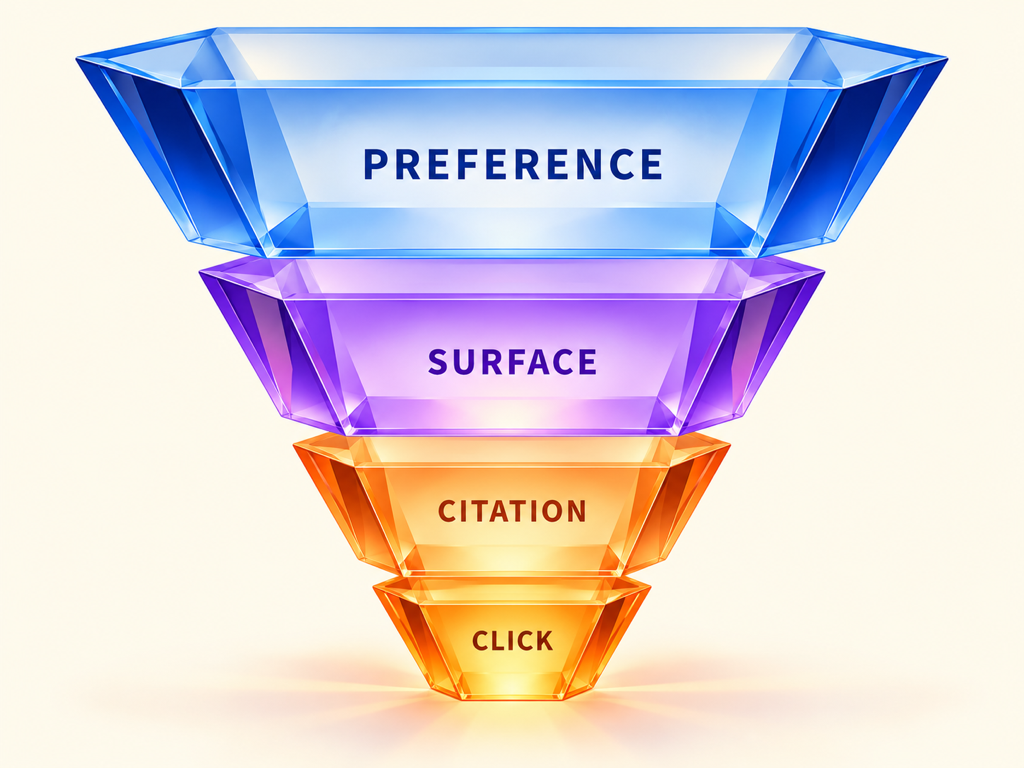
The reporting language should identify the exact observation:
- “Selected as preferred” is a user preference event when observable.
- “Displayed with a preferred badge” is a surface presentation event.
- “Cited in an AI answer” is source-attribution evidence.
- “Mentioned in an AI answer” is entity visibility, with or without a link.
- “Received a visit” is a traffic event after a click.
Words such as “featured,” “recommended,” and “visible” are too broad unless the report defines them.
Preferred Sources measures an audience choice
Google's Preferred Sources documentation says selected publications are more likely to appear in Top Stories for that user. In AI Mode and AI Overviews, eligible content can be highlighted with a preferred badge.
The feature is personal to the user's selection and supported surfaces. It is not a universal domain score the publisher can apply to every searcher. The publisher can promote the selection flow, but the user chooses whether to complete it.
Useful measurements include button-module views, button interactions, observed return from Google's flow when available, audience segment, repeat readership, and preferred-badge impressions where a product exposes them. A publisher should not infer the exact number of completed preferences from deeplink clicks unless it receives reliable completion evidence.
Preferred Sources therefore belongs in an audience-loyalty scorecard. It answers, “Are readers choosing to prioritize us where Google supports that preference?”
AI citations measure source selection inside answers
An AI citation is a visible source link or attribution attached to a generated answer. The cited page helps the user inspect evidence, but the citation does not necessarily mean the answer recommends the publisher or brand.
Citation monitoring needs a stable prompt set, repeated observations, platform labels, cited URLs, and the passages or claims associated with each source. A domain-level citation count alone can hide whether the relevant product page, an old article, or an unrelated page supplied the evidence.
Citation is also different from mention. An answer can mention a brand without linking to it, or cite a brand's research while recommending a competitor. That is why source share, mention rate, position, and sentiment should be tracked separately.
AI citation monitoring answers, “Which sources are exposed as evidence for the questions we care about?”
Rankings and traffic describe different layers again
Organic ranking records a URL's position in a traditional result set. It can affect discovery and candidate selection, but it is not an AI citation. Google says the standard SEO fundamentals remain relevant to AI features in Search, while also stating that no special optimization is required merely to be eligible.
Traffic is farther downstream. It records users who clicked and reached the site. Many AI answer impressions and citations produce no click, so traffic undercounts exposure. Referral classification can also be incomplete when referrer data is absent or grouped.
| Signal | Primary actor | Unit | Best question | Main limitation |
|---|---|---|---|---|
| Preferred selection | User | Source preference | Do loyal readers prioritize us? | Publisher may not observe completion |
| Preferred badge | Google surface | Displayed item | Where is the preference reflected? | Not a universal ranking promise |
| AI citation | Answer system | Source URL in an answer | Which evidence is exposed? | Variable by prompt and run |
| AI mention | Answer system | Brand occurrence | Is the brand part of the answer? | May be unlinked or negative |
| Organic rank | Search system | URL position | Where does the page rank? | Does not equal AI inclusion |
| Referral visit | User click | Session | Who reached the site? | Misses zero-click exposure |
The table prevents one metric from becoming a proxy for all others.
Build a four-layer measurement model
Organize the program into audience, surface, answer, and outcome layers.
The audience layer contains prompt-module views, preference-flow interactions, subscribers, returning readers, and loyalty segments. The surface layer contains Top Stories presence, preferred badges, and traditional rankings. The answer layer contains citations, mentions, position, and sentiment. The outcome layer contains referral sessions, subscriptions, qualified leads, and revenue.
Give each layer an owner and cadence. Audience-product teams may review button UX weekly. Search teams may review supported Google surfaces and crawl health. AI visibility teams may run prompt monitoring on a stable schedule. Growth teams may connect qualified traffic with subscription or pipeline outcomes.
Do not require every metric to move in the same direction. A successful preference campaign can strengthen loyalty without changing broad AI citation share. A citation improvement can increase exposure without creating immediate clicks.
Diagnose conflicting signal combinations
Conflicts are informative when the metrics remain separate.
High preference interaction with low AI citation share suggests strong audience loyalty but weak source selection for the monitored prompts. Improve evidence, topical coverage, and third-party corroboration rather than redesigning the preference button.
Low preference interaction with high citations suggests the publication is authoritative to answer systems but underperforms at asking readers for loyalty. Test placement, copy, and audience timing.
High rankings with low citations suggest the page reaches search candidates but does not supply the most useful extractable evidence. High citations with low traffic may reflect zero-click behavior, low source prominence, or an answer that satisfies the need without a visit.

Attach an action to each state before reporting. A dashboard without a decision rule simply multiplies metrics.
Use Topify for the AI-citation layer
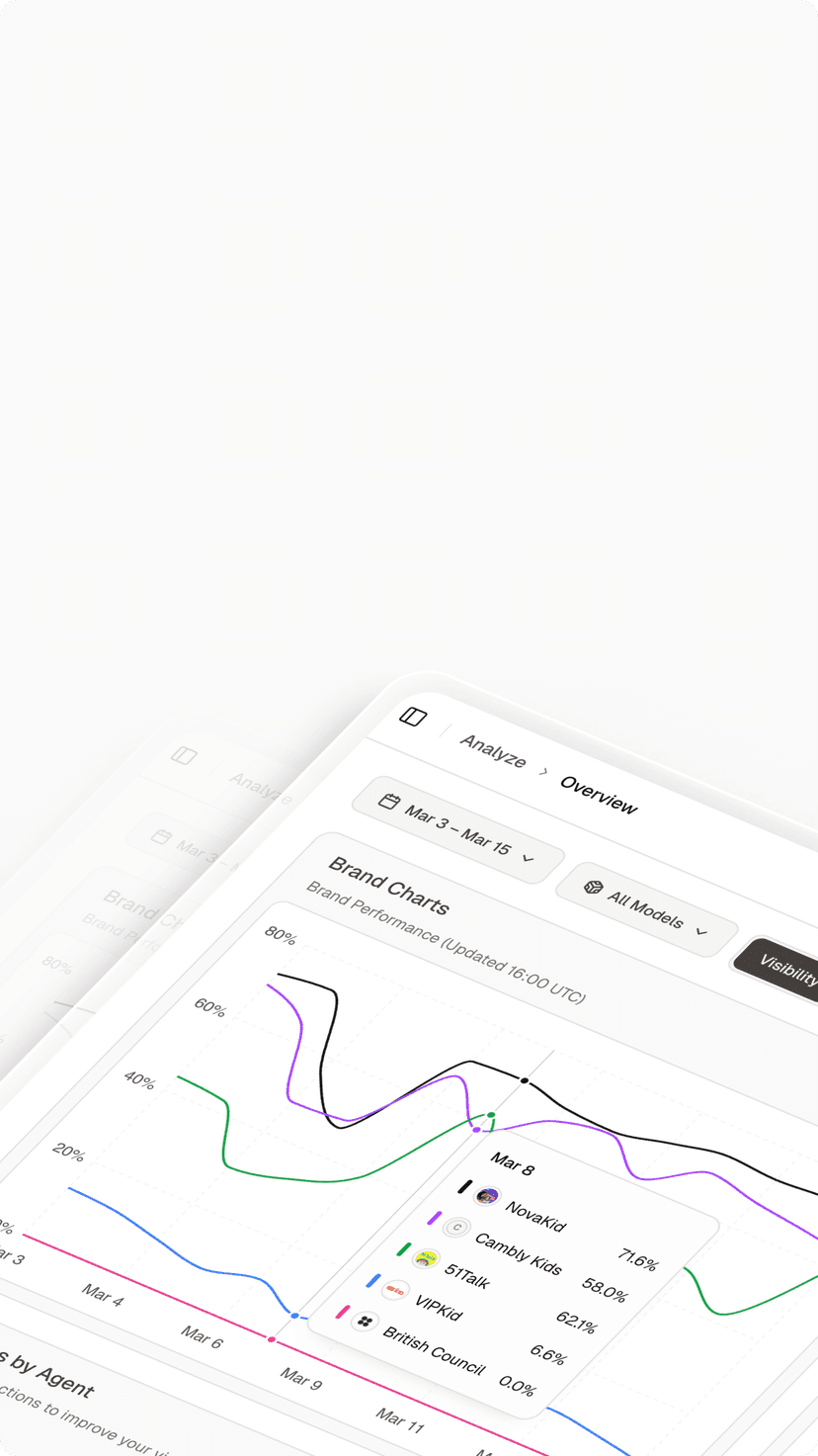
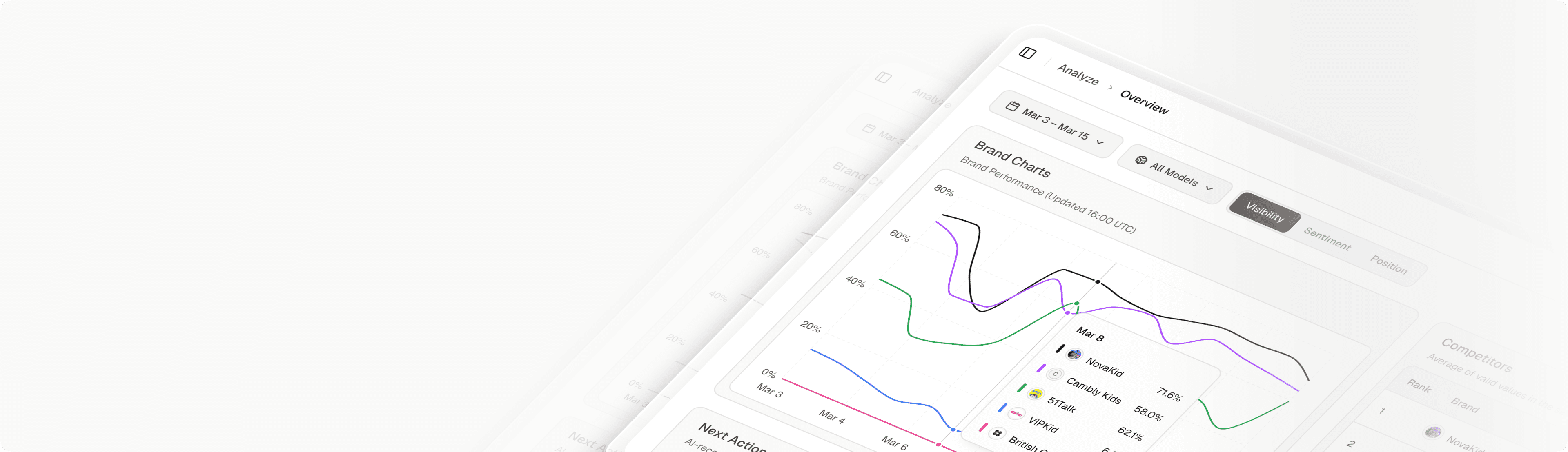
Topify is suited to the answer layer, where teams need repeated evidence about brand visibility, position, sentiment, competitors, and cited sources. Create a stable prompt set for the publication's priority topics and monitor it before, during, and after a Preferred Sources campaign.
Topify's public Sources Analytics describes citation totals, top domains, category breakdowns, provider filters, and source-performance time series. Combine that answer data with button analytics and Google surface reporting, but keep the columns distinct. Topify cannot observe an individual's Preferred Sources setting or attribute an AI citation to that preference. The article AI Citation Share and the Three Levels of AI Visibility adds another useful distinction: source evidence, brand awareness, and recommendation strength can move independently even within the AI layer.
This division of labor makes the analysis more honest and more actionable.
Conclusion
Preferred Sources and AI citations both affect publisher visibility, but they answer different questions. Preferred Sources reflects a user's choice and can influence supported Google experiences for that user. AI citations expose the sources selected for a particular generated answer. Rankings describe result position, while traffic captures only users who click.
Build separate audience, surface, answer, and outcome layers. Define the owner, unit, limitation, and next action for every metric. Use product analytics for the preference journey and Topify source analytics for repeated citation and mention observation. When the signals disagree, treat the conflict as a diagnosis rather than averaging it into a misleading visibility score.
FAQ
Is a preferred badge the same as an AI citation?
No. A preferred badge reflects a user's source preference on a supported Google surface. A citation identifies a source exposed as evidence for an AI answer.
Can Preferred Sources cause more AI citations?
Google's documentation does not promise a general causal increase. Track preferred adoption and AI citations separately and avoid attributing one to the other without evidence.
Why can a highly cited publisher receive little AI referral traffic?
Many users get enough information from the answer and do not click. Citation prominence, answer completeness, and referral classification also affect observed sessions.
What should a publisher monitor first?
Start with a small scorecard: preference prompt interactions, supported-surface visibility, citation share across stable prompts, brand mentions, and qualified referral outcomes.