A newsroom adds a prompt asking loyal readers to select it as a preferred source, then expects every subscriber to see its stories elevated across Google. The implementation works, but the outcome is harder to interpret. Preferred Sources is a user preference, not a publisher-controlled ranking switch, and its effects vary by Google surface and individual selection.
Google Preferred Sources gives publishers a practical way to help readers express that preference. It can increase the chance that selected publications appear in Top Stories and add a preferred badge in supported AI experiences. It does not guarantee placement, citation, traffic, or a broader authority boost. Publishers need a clear boundary between what they can implement, what readers control, and what Google's systems still decide.
Preferred Sources changes a user's source preference
Google says a user who selects a publication as a preferred source is more likely to see content from that site in Top Stories. In AI Mode and AI Overviews, content from a selected site can also appear with a preferred badge where those features are available.
The preference is associated with the user's selection. A publisher can make that selection easier, but it cannot silently enroll readers or apply the preference to everyone. The feature therefore belongs at the intersection of audience development and search visibility, not inside a simple technical SEO checklist.
Google's current Preferred Sources documentation describes three publisher implementation paths: a standard JavaScript button, an advanced JavaScript implementation using custom design assets, and a deeplink to the source-preference tool. None is required for a site to be eligible.
The button is an acquisition surface for a user preference. It is not a schema tag that commands Google to promote the domain.
Preferred badges can appear on distinct Google surfaces
The feature is globally available for Top Stories in languages where Google Search is available, according to the documentation. Preferred badges can also appear in AI Mode and AI Overviews in supported languages and locales.
Those surfaces have different user behavior. Top Stories is a news-oriented result module. AI Overviews synthesizes an answer above or among search results. AI Mode supports a more conversational research experience. A preferred badge in one surface should not be reported as universal presence across all three.
| Surface | What the preference may affect | What it does not guarantee |
|---|---|---|
| Top Stories | Greater likelihood of selected-source content appearing | Placement for every query or user |
| AI Overviews | Preferred badge on eligible content | Citation in every generated summary |
| AI Mode | Preferred badge on eligible content | Recommendation, position, or click |
| Standard organic results | No broad preference promise in the guide | A domain-wide ranking increase |
Publishers should report adoption by surface where evidence exists. Combining all impressions into one “preferred visibility” metric hides the mechanism.
Domain and subdomain eligibility creates an architecture constraint
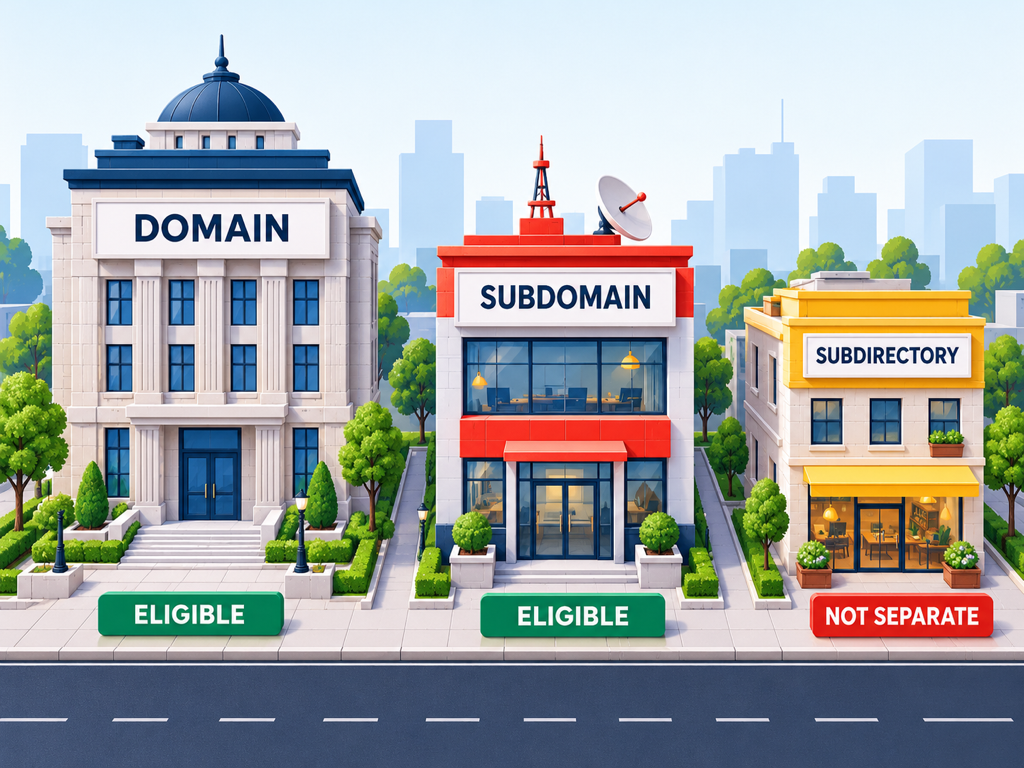
Google's documentation says the source-preference tool supports domain-level and subdomain-level sites. A subdirectory such as example.com/blog is not independently eligible in the same way.
That rule matters for publications hosted inside a broader corporate domain. A newsroom on news.example.com may be eligible as a subdomain, while example.com/news cannot be selected as a separate source from the root domain under the documented rule.
Do not migrate content simply to gain a selectable boundary without considering SEO, analytics, operations, and brand effects. Instead, verify what entity appears in Google's source-preference tool, confirm the correct canonical host, and align audience messaging with that eligible domain or subdomain.
Google also says eligibility for Preferred Sources in AI Mode and AI Overviews requires the site to be included in Search generative AI features in Search Console. The setting affects inclusion eligibility; it does not promise that any particular page will appear.
Test the exact production host before launching a campaign. A button that sends users to the wrong domain preference creates friction and unreliable measurement.
Publishers can implement, explain, and measure the prompt
The publisher controls where the selection prompt appears, which documented implementation it uses, and how accurately the surrounding copy describes the outcome. It can also measure interaction with its own button or deeplink.
The standard implementation loads Google's publisher script and renders a localized button. The advanced option supports custom assets while preserving the end-user flow. The deeplink can work in a CMS, newsletter, social post, or other placement that cannot load the interactive component.
Publisher-controlled actions include:
- verifying the domain in the source-preference tool;
- placing a button at a moment of demonstrated reader value;
- describing the feature without promising rankings;
- recording button impressions and clicks;
- testing placement, copy, and audience segment;
- auditing the destination and return flow.
The publisher should also maintain the underlying content quality, technical access, and search eligibility that make any visibility possible.
The feature does not guarantee citations or traffic
A reader's preference is one signal inside a larger product. Google still decides which pages are relevant to a query, what appears in a result, how an AI response is composed, and which sources are cited.
Preferred Sources also does not reveal a complete publisher-side list of users who selected the site. Privacy and product constraints mean the publisher should not build a campaign that depends on identifying each selector.
Avoid claims such as “Select us to see every story,” “Guarantee our articles in AI Overviews,” or “Boost our Google ranking.” Accurate copy says the selection can make the publisher's content more likely to appear in supported experiences for that user.
The distinction protects trust. A reader should know what the action can reasonably change before leaving the site or completing the Google flow.
Build an audience-adoption plan around reader value
Ask for the preference after the publication has demonstrated value. Suitable moments include the end of a strong article, a newsletter confirmation page, a membership onboarding sequence, or a recurring reader's return visit. An immediate full-screen prompt on a first visit asks for trust before earning it.
Segment the test. Loyal newsletter readers may understand the benefit and convert at a different rate from search visitors. Measure button exposure, interaction, completed return when observable, repeat readership, and downstream changes in supported Google surfaces.
Use a holdout group where practical. That helps distinguish the effect of the prompt campaign from a simultaneous increase in publishing volume, news demand, or brand awareness.
Set a decision window before launch. Preferred-source adoption may not translate into an immediate traffic spike, especially when AI experiences satisfy a user's question without a click. The test should evaluate qualified visibility and reader retention, not only sessions.
Pair preference adoption with Topify citation tracking
Topify can monitor a separate but complementary layer: whether a brand or publisher appears in AI-generated answers and which sources those answers cite. Establish a prompt baseline before promoting Preferred Sources, then watch visibility, position, sentiment, and citation-source trends while the audience campaign runs.
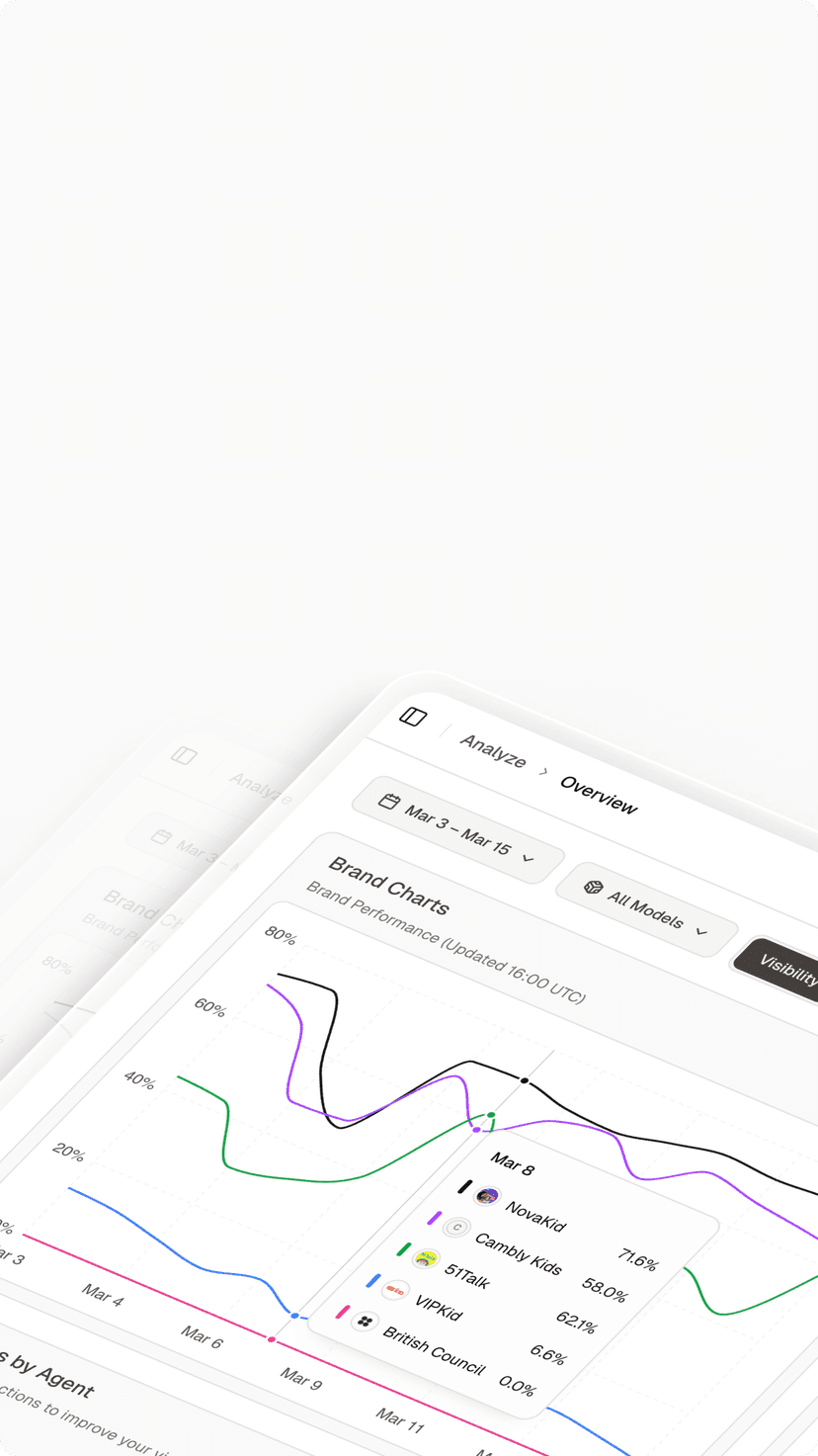
Topify's public overview analytics documentation describes provider filters, topic breakdowns, competitor rankings, and time-series brand metrics. Those outputs can show whether observed AI visibility changed during the campaign, but they do not identify which individual users selected the publisher or prove that the preference caused a citation. Keep button analytics, Google surface data, and Topify monitoring in separate columns. The article AI Citations vs. Google Rankings: Track Both provides the broader reason: ranking, preference, and citation are related observations, not interchangeable KPIs.
This separation produces a credible report even when one metric rises and another does not.
Conclusion
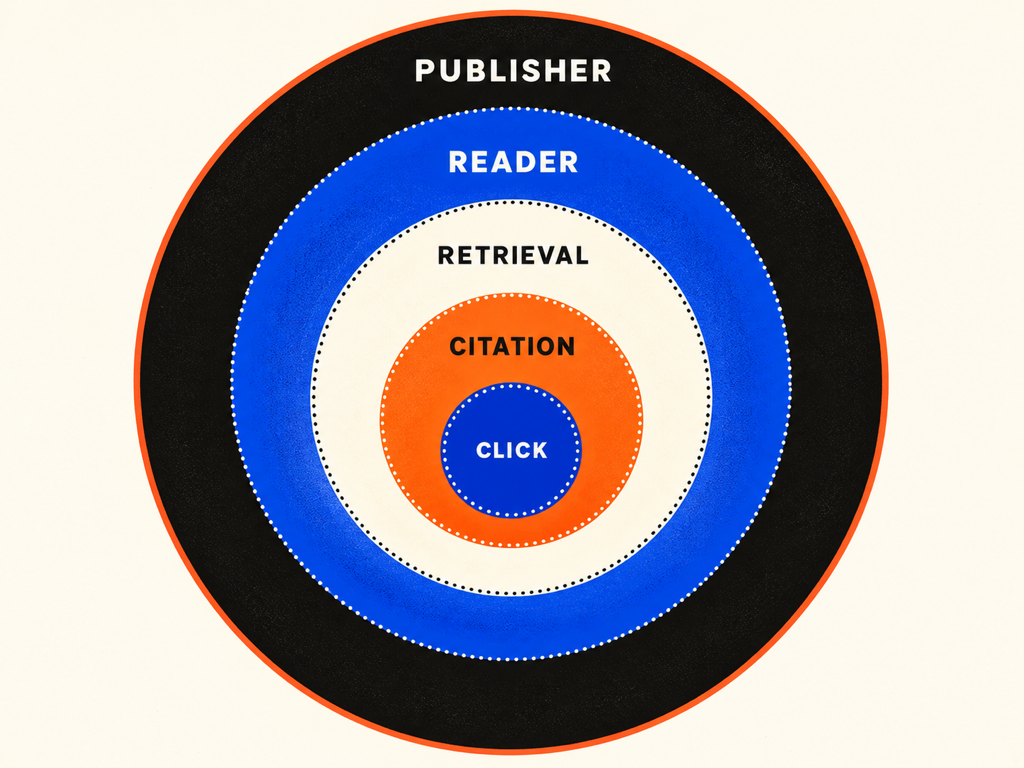
Google Preferred Sources gives publishers a documented way to help readers express source loyalty. Publishers can verify the eligible domain, implement the standard button or deeplink, place it after a moment of value, explain the outcome accurately, and measure their own campaign. Readers control selection, while Google continues to control retrieval, placement, badges, and citations.
Start by testing the exact domain, one placement, and one audience segment. Keep adoption, search visibility, AI citations, and traffic as separate measures. A Topify AI visibility baseline can help monitor the citation and mention layer without pretending it is the same as Preferred Sources adoption.
FAQ
Does selecting a Preferred Source guarantee its stories will appear?
No. Google says selected sources are more likely to appear in supported experiences, but relevance and product systems still determine actual results.
Can a blog subdirectory be selected independently?
Google currently documents domain and subdomain eligibility, not separate eligibility for a subdirectory such as example.com/blog.
Is the Preferred Sources button required for eligibility?
No. The button and deeplink help readers find and select a source. Google says these implementations are not required merely to appear in the source-preference tool.
Does Preferred Sources improve AI citations?
The documentation does not promise a general citation increase. Measure preferred badges and citations separately rather than assuming one causes the other.