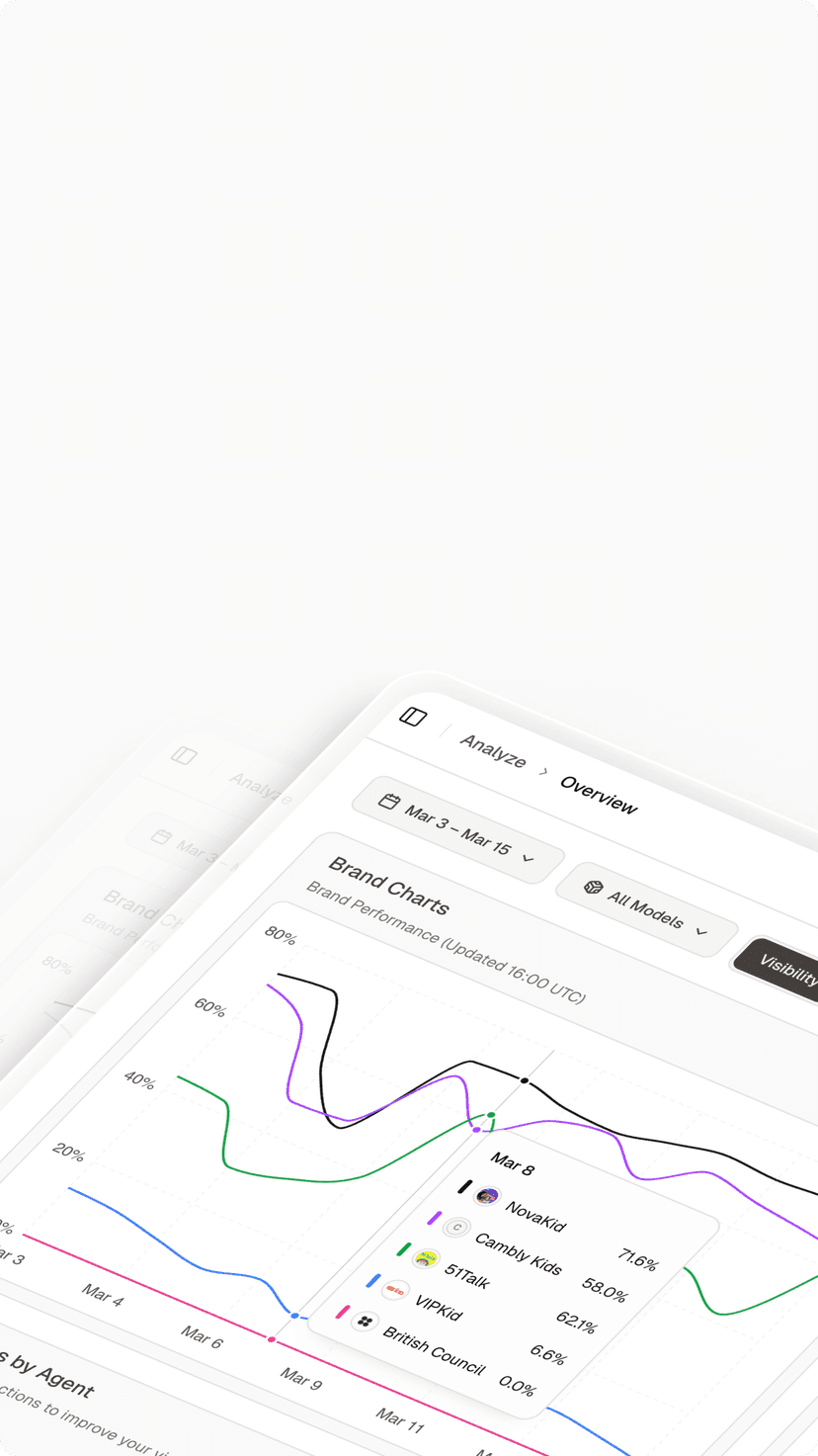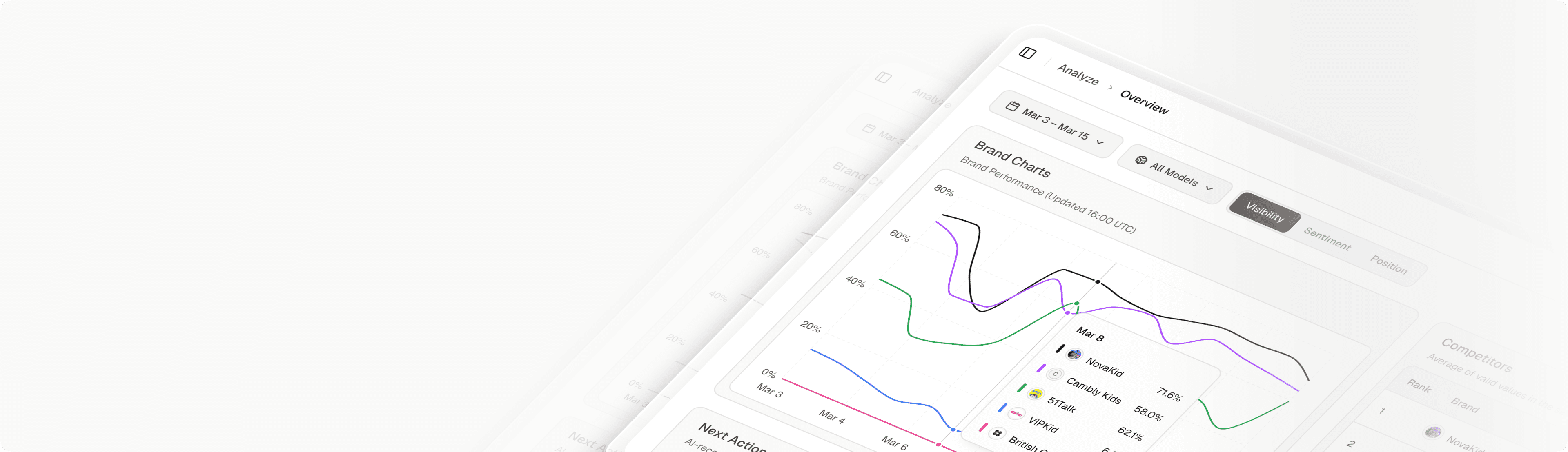
A growth analyst can identify visits from an AI assistant on the marketing site, but the appointment system reports the resulting bookings under another source. Sales sees real meetings while the acquisition report appears to lose the journey halfway through. The team needs to find the measurement boundary before treating the disagreement as a change in channel quality.
LLM referral traffic becomes harder to interpret when visitors leave for a separate booking domain. A working appointment link doesn’t establish continuous measurement, and a missing source field doesn’t mean the appointment failed. The useful task is to test the actual handoff, preserve the observable evidence, and state what the business and analytics records can jointly support.
Define the Handoff in an LLM Referral Traffic Journey
Map the domains a visitor encounters from landing page to booking confirmation. Include the marketing site, booking service, and any return or confirmation page. For each domain, identify who controls its tags, navigation behavior, and business records.
Define the success questions separately. One asks whether the visitor can complete the appointment. Another asks whether the intended measurement context survives the crossing. A third asks whether the completed appointment can be connected to a documented source under the available evidence.
Use a synthetic journey for the initial test. A fictional landing page on example.com can link to an approved test booking flow on a separate domain. Keep the scenario clear enough that another analyst can repeat it without creating a real customer appointment.
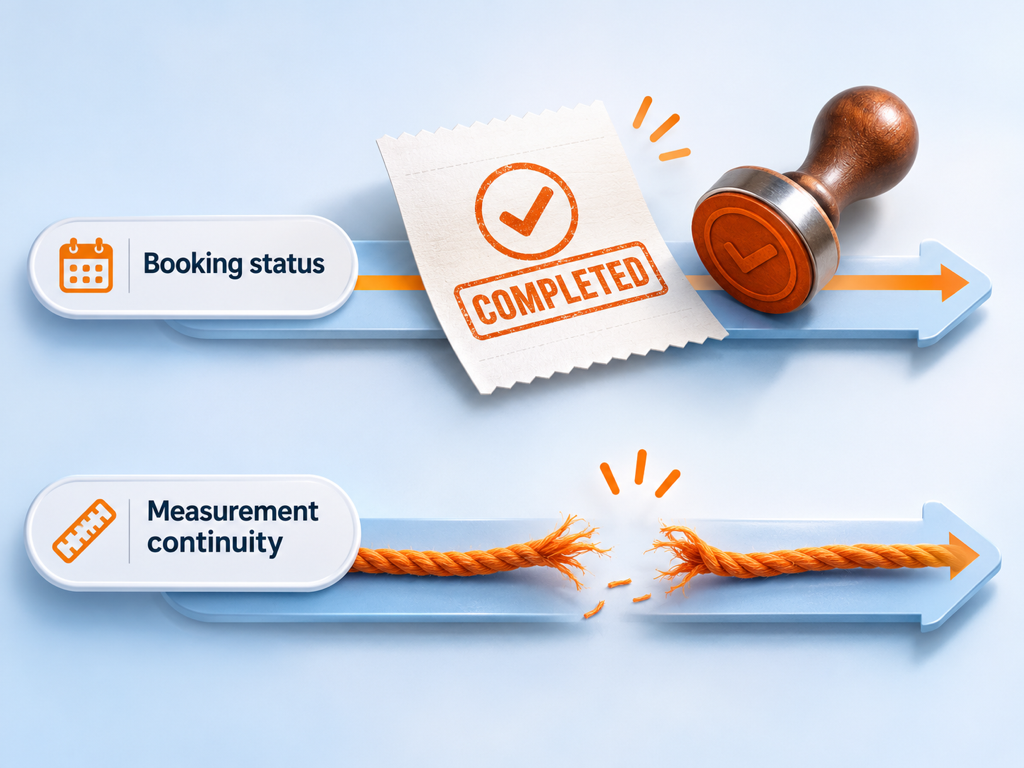
A completed booking and a continuous analytics session are different outcomes.
Record the test conditions before navigation, including browser, device class, time, and the permitted measurement state. Follow the organization’s approved configuration; this workflow doesn’t require changing a visitor’s privacy choice to force a cleaner result.
Check Whether Both Domains Support the Measurement Plan
Confirm what the booking provider actually supports. Your team may control the marketing site fully but have limited access to the destination. A configuration checklist that assumes equal control over both domains can create a reporting promise the implementation cannot fulfill.
Google’s cross-domain guidance describes using the same tag ID from the same web data stream on participating pages. It also explains passing identifiers through a linker parameter when the relevant measurement conditions are met. Verify those requirements with the implementation owner rather than assuming that two analytics-enabled domains are already connected.
Document unsupported boundaries explicitly. A hosted appointment service might not expose the necessary configuration or completion information. In that case, report the observable outbound handoff and separately available booking totals instead of inventing a continuous user-level journey.
Agree on the reporting grain before testing. A session, appointment attempt, completed booking, and qualified meeting are different units. Naming each prevents a successful page transition from being counted as a confirmed business outcome.
Ask the provider owner for a concrete test path. Include the entry URL, any required safe test option, and the point at which the team can inspect completion evidence. Avoid exploring a live booking flow by trial and error when a documented sandbox or test procedure is available.
Test Linker and Parameter Preservation
Test the navigation method the page actually uses. A normal link, a form submission, a script-driven redirect, and a newly opened tab can pass through different implementation paths. The test record should identify which one was exercised.
Google’s verification procedure includes checking for the _gl linker parameter on the destination URL. Treat that as one observation in the handoff test. Its presence alone isn’t proof that the destination stored the intended identifiers or that the eventual reporting scope is correct.
Capture the entry and destination URLs using synthetic or approved test data. Record where a parameter appears, disappears, or changes. Don’t copy personal appointment details into the analytics QA record merely because they happen to be present in a URL.
| Handoff checkpoint | Evidence to retain | What remains separate |
|---|---|---|
| Marketing landing | Observed source fields and test conditions | Earlier unobserved AI influence |
| Outbound link or form | Actual navigation target and method | Destination measurement support |
| Destination arrival | Loaded URL and permitted linker evidence | Successful identifier interpretation |
| Booking completion | Approved confirmation or business record | Source attribution of that booking |
| Analytics result | Relevant scoped fields after processing | Business qualification of the meeting |
Follow redirects through the documented test path. A parameter can survive the first crossing and disappear at a later step. Mark the exact boundary instead of concluding that cross-domain measurement either works everywhere or fails everywhere.

Verify the Destination and Completion Evidence
Inspect the destination as a functional page. Confirm that the intended appointment type, location, or product context is preserved. A measurement token can survive while the visitor lands on the wrong booking option.
Use the provider’s approved test mode to verify completion where available. Record the confirmation state, its timestamp, and the business identifier retained in the appropriate internal system. Keep public analytics examples free of personal contact details and access tokens.
Review the relevant analytics evidence at the same reporting scope. A first-user acquisition field and a session source field answer different questions, so their disagreement isn’t automatically a broken handoff. Record the field names rather than describing everything as source.
Allow for the processing behavior of the reporting surface you use. A live debug observation and a processed acquisition report aren’t interchangeable records. Note when and where you checked each result, and avoid calling an unfinished reporting window a definitive loss.
Repeat the test for consequential navigation variants. If mobile users open an embedded booking flow while desktop users leave for another domain, one successful desktop path doesn’t validate both. Keep the supported scope small enough that the team can maintain it after changes.
Separate Measurement Breaks From Missing Bookings
Reconcile the business outcome and measurement outcome independently. You can have a completed appointment with incomplete source evidence, a preserved source with an abandoned appointment, or neither. Those combinations require different fixes.
A synthetic case might contain a valid test booking in the provider’s record but no continuous source evidence in the reporting view. The correct finding is a measurement gap around a confirmed test outcome. It isn’t evidence that the booking never occurred, and it doesn’t authorize assigning the missing source by guesswork.
Do not fill a source gap with a preferred attribution story.
Use a case ledger with a business-status field, measurement-status field, and unresolved question. Assign the next check to the owner who can actually answer it. The website team may control a redirect; the booking provider may control the completion record.
The LLM referral measurement guide provides broader context for source and reporting scope. This handoff review supplies a narrower technical check that should sit beneath the channel summary rather than replace it.
When individual reconciliation is unavailable, use appropriately labeled aggregate views. Show the observed referral sessions and separately confirmed appointment totals without claiming that the two counts identify the same people. Explain the missing link so stakeholders can assess the conclusion’s limits.
Report the Handoff Alongside AI Visibility
Topify describes monitoring brand presence and cited sources through its AI-search analytics feature. Use relevant questions and pages to identify the discovery context you want to study. Then review observed referral and booking evidence in the separate systems that record the visit and outcome.
The analyst’s action is to align a defined visibility question with a documented click-through path and a tested booking handoff. The output supports a decision about whether to investigate discovery coverage, navigation, or measurement continuity. It doesn’t establish a deterministic link between an individual AI answer and an appointment. The public feature description doesn’t establish that Topify configures GA4 cross-domain linking, accesses booking records, or repairs third-party tags. Keep those implementation tasks and evidence owners explicit, and report only the connections your actual records can support before expanding the workflow to more appointment types or markets.
Schedule another handoff check when the booking provider, destination URL, form implementation, or tag configuration changes. Keep the previous result with its test date. A successful test from an older flow shouldn’t silently certify the current one.
Conclusion
A cross-domain booking link can work for the visitor while breaking the measurement story. Map the domains and their owners, test the actual navigation path, and verify business completion separately from analytics continuity. Preserve the reporting scope and unknowns instead of turning a missing source into a missing appointment or an invented attribution.
Choose one important landing page from your AI-search visibility review and follow its approved test booking path. Record each handoff and ask a second analyst to inspect the evidence. The immediate goal is a clear boundary around what survived, what completed, and which remaining gap belongs to the website, measurement setup, or booking provider before the team interprets channel performance.
FAQ
Does a linker parameter prove cross-domain tracking works?
No. It is one useful observation. Verify the destination behavior and relevant analytics fields under the actual test conditions.
What if the booking provider does not support the setup?
State the boundary and report the handoff and separately available business outcomes. Don’t promise continuous user-level measurement without the necessary support.
Can an AI referral be recovered from a direct session?
Not by assumption. Preserve the available source evidence and label unresolved attribution rather than replacing direct traffic with a guessed AI source.
Which booking evidence belongs in the report?
Include the completion definition, tested flow, observation time, and confirmation status. Keep personal booking details in the appropriate internal system.