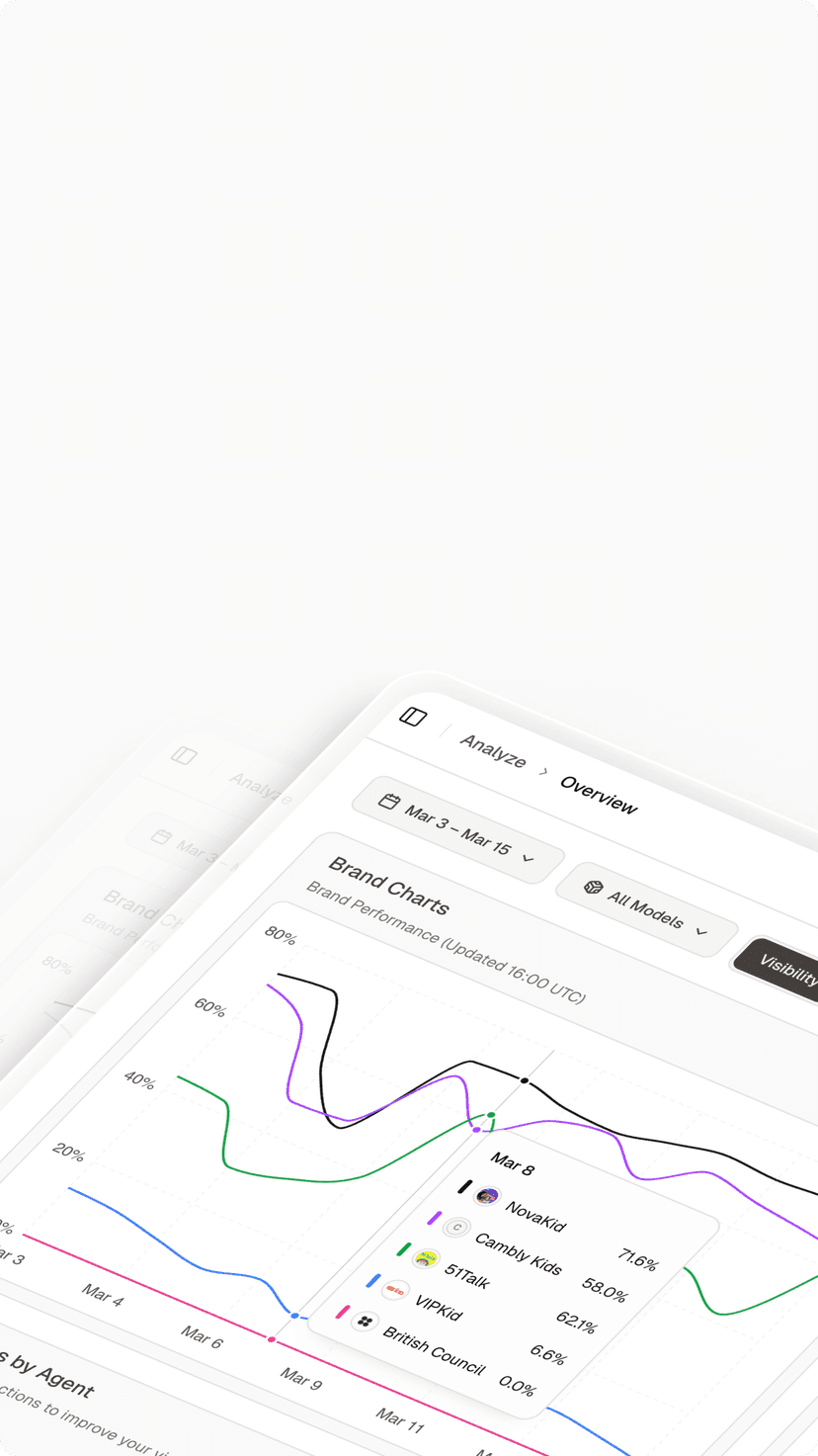
A search reporting owner receives a new feed of image-input search performance and adds it to the existing AI exposure chart. The combined line rises, but the deck now mixes a search input method, a reported impression, and a sampled answer observation. The team has more data without a clear explanation of what the total represents.
An AI search intelligence platform needs to preserve the event behind each number. A photograph used to begin a search does not establish that an answer recommended a brand, and a monitored recommendation does not count the people who saw a search result. The immediate decision is which measures can inform the same discussion and which must retain separate labels and units.
Define Multimodal Inputs Before Labeling AI Exposure
Describe the input method before assigning a marketing meaning. A search started with an image can serve identification, comparison, troubleshooting, or shopping. The reporting category tells you something about that search entry point, but it does not automatically reveal the user’s intent or the form of every result.
Google’s November 16, 2026 API announcement names webMultimodal for results from Google Lens, Circle to Search on Android, and image uploads in Google Search. Use that documented scope when naming a feed, rather than calling it a universal measure of multimodal AI visibility.
Separate three questions in the reporting brief. How did the search begin? What event did the reporting system count? What decision does the team want to make from the data? An input category, an exposure metric, and a brand recommendation are related concepts that still require distinct evidence.
Choose labels that survive export into a slide or spreadsheet. “Image-input search impressions” is more interpretable than a short “AI” label when the source supports that definition. Retain a longer method note for readers who need to understand the exact coverage.
Separate Search Types in an AI Search Intelligence Platform
Store search type as part of the reporting record. The Search Analytics API reference distinguishes the webMultimodal request type from other search types. Dropping that field during import makes it difficult to explain what changed when a new source enters a dashboard.
A sampled answer belongs in another observation layer. It records what a defined prompt produced under specified collection conditions. It can support a review of a recommendation or cited source, but it does not by itself count search exposure across a property’s audience.
Keep the reporting layers visible through the entire workflow: source collection, transformation, storage, charting, and export. A field that exists only in the original request cannot protect a chart after the data has been copied into a separate workbook. The analyst reviewing the final output needs the definition too.
Document how a report was collected before interpreting changes between periods. Adding a new type, adjusting a filter, or changing the collection window can create a discontinuity that has nothing to do with a content improvement. Flag that boundary in the report instead of smoothing it into a single growth narrative.
A shared chart does not create a shared measurement unit.
Create a Metric Compatibility Table
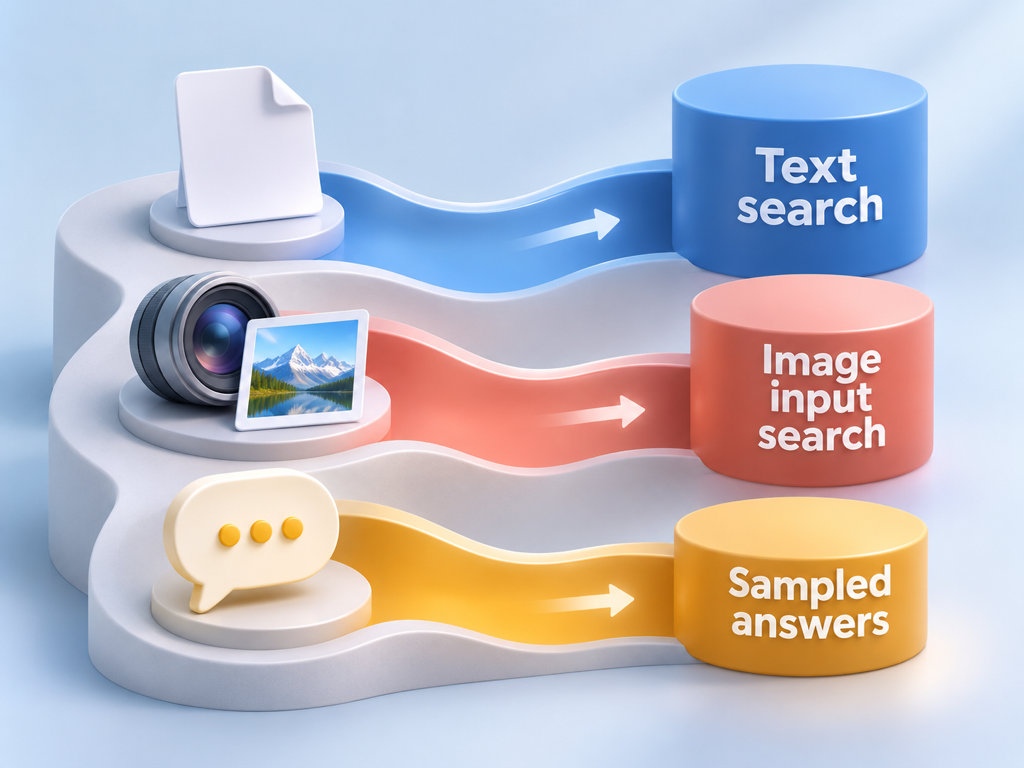
Decide permitted comparisons before building a combined score. A useful compatibility table identifies the event, unit, collection conditions, and claims the team is allowed to make. It should also state which calculations remain unsupported, even when the underlying numbers look easy to add.
The following is a proposed reporting contract. It is not a description of a native platform integration or a measured relationship between the rows.
| Reporting layer | What the record describes | Useful question | Unsupported shortcut |
|---|---|---|---|
| Text-based search feed | Metrics for its documented search type and scope | How did this search feed change? | Treat every impression as an AI recommendation |
| Multimodal search feed | Metrics for documented image-input search scope | Which pages appear in this search context? | Infer brand preference from the input method |
| Sampled answer set | Answers from a specified prompt collection | Was a brand or source present in these observations? | Convert sampled presence into audience impressions |
| Combined discussion | Findings presented with separate definitions | Which evidence should the team investigate next? | Sum all rows into unique people or conversions |
Require a specific justification for any proposed total. Define what is being counted, whether the inputs overlap, and how duplicates would be detected. In the absence of that evidence, side-by-side trends are usually more defensible than a single large number.
Use a small narrative example to test the contract. A page can gain image-input exposure while its brand remains absent from a selected answer sample. That is a reason to investigate two different journeys, not a contradiction that one system must resolve for the other.
Preserve Search Type Through Import and Export
Design the record around the explanation a future reviewer will need. Suggested fields include source system, property, requested search type, reporting period, filters, metric name, metric unit, collection time, and transformation revision. These are proposed implementation fields, not claims about a vendor’s export schema.
Test the complete journey with a synthetic file. Import one text-search record, one multimodal-search record, and one answer-sample record with deliberately different units. Export them again and verify that source type, unit, and period remain attached to each row.
Check what happens when a chart template expects only one source type. A new feed should trigger an explicit mapping decision, not inherit the old label because its columns happen to resemble an existing table. Review axis titles, legends, tooltips, downloaded images, and spreadsheet exports together.
Make unknown source types visible. Rejecting an unrecognized type or sending it to a review queue is preferable to silently classifying it as ordinary web data. The operational choice depends on the system, but the unresolved state should remain inspectable until someone approves the mapping.
Include a method note in the exported report itself. A link back to the dashboard helps only when the recipient can access it and the saved view still uses the same settings. The exported artifact should carry enough context to stand on its own.
Test Empty and Partial Reporting Windows
Treat availability, absence, and incomplete collection as separate states. A newly supported API field does not prove that every historical date is available for every property. Check the actual coverage needed for the comparison and preserve the outcome of that check.
Create a coverage ledger for each source type. Record the first requested date, last requested date, dates returned, collection failures, and any documented completeness limits. A reporting period should not appear fully comparable simply because the chart draws a continuous line through missing observations.
Test the visualization with deliberately incomplete synthetic records. Remove one date from a feed, leave another type unavailable for the whole window, and include an explicit zero where that value is actually established. Verify that the displayed states remain different after export.
Set a decision rule for mixed coverage. You might shorten a comparison to a documented common window or present separate periods with a visible caveat. Avoid assigning an earlier period a fabricated zero merely to make the lines start together.
Missing coverage should narrow the conclusion.

Use Separate Evidence for Prompt Recommendations
Topify can support the answer-observation side of this reporting contract. Supply a defined brand, relevant buyer questions, and documented market conditions. Its AI search analytics describes monitoring of brand appearances, competitors, and cited sources, which can help decide where a recommendation gap warrants closer investigation.
Keep that output beside the search feeds with its own label and denominator. An observed answer can show how a brand was described in the collected sample; it cannot establish the number of people exposed to an image-input search result. Maintain the external import contract and type validation separately. The documented product capabilities do not establish a native connection to Google’s new webMultimodal API type, deduplicate people across these sources, or justify merging their metrics into one exposure score.
For the underlying content question, a multimodal content audit examines a different task: whether an image-page pair supplies useful evidence. Keep that content review separate from the measurement contract so a charting issue does not trigger an unnecessary page change.
Assign a reporting owner to approve every new feed and metric mapping. That owner should be able to explain the event, scope, and limits without relying on a generic AI label. A report earns credibility when its definitions remain understandable after it leaves the dashboard.
Conclusion
Multimodal reporting is useful when the input method and counted event remain visible. Preserve search type through collection and export, define permitted comparisons, and distinguish missing coverage from an established zero. Present search exposure and sampled recommendations together only with their separate units and collection conditions intact.
Begin by auditing one chart that currently uses an AI label. Write down the source behind every line, test a synthetic export containing different measurement units, and revise any label that loses the original meaning. Then use separate AI answer observations to investigate recommendation questions that search exposure cannot answer. The next report should help the team choose a specific investigation without turning unlike observations into an unsupported total.
FAQ
Is multimodal search always a generative AI answer?
No. An image-input reporting category describes a documented search context. Do not infer a particular answer format or brand recommendation from that category alone.
Can text and multimodal impressions simply be added?
Only after defining what the total represents and establishing compatible scope, units, and overlap handling. Without those checks, keep the feeds separate.
Does the API launch guarantee all historical data?
No. Verify the coverage required for the actual report. A capability announcement does not establish complete historical availability for every property and period.
Can prompt monitoring replace Search Console exposure data?
No. A controlled answer sample and a search exposure report observe different events. Use each for the question its evidence can support.